The prototype works, but it is hand-built
Simplify parts and interfaces, choose credible processes and reduce one-off assembly behaviours that will not scale.
A working prototype is an important milestone, but it is not automatically a production design. Twocan helps develop products towards repeatable manufacture through design for manufacture, tolerances, drawings, process selection, supplier engagement and practical build feedback.
Start with the problem
Manufacturing decisions become more expensive as tooling, inventory and supplier commitments increase. The goal is to resolve avoidable issues while change is still relatively cheap.
Simplify parts and interfaces, choose credible processes and reduce one-off assembly behaviours that will not scale.
Improve drawings, tolerances, specifications and manufacturing assumptions so suppliers understand what is actually required.
Review processes, part count, material, assembly and tolerances to identify practical cost-down opportunities.
Respond to supplier questions, resolve fit and assembly issues and update the design as manufacturing feedback arrives.
Relevant work · CS Platforms
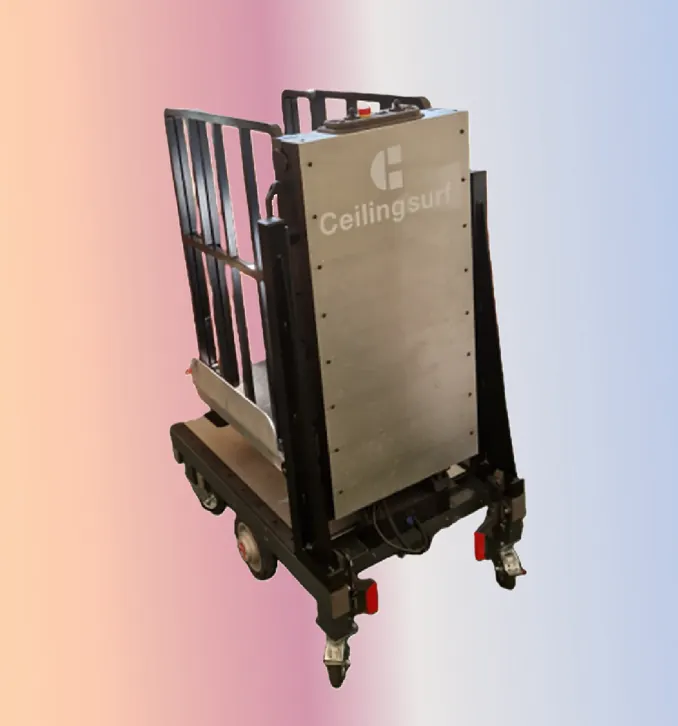
The Ceilingsurf upgrade did not stop at CAD. Twocan produced technical drawings, coordinated suppliers, checked parts for fit during the build, managed assembly and integration, and fed practical issues back into the engineering.
That closed loop helped deliver the upgraded working prototype on the required programme rather than leaving the client to bridge the gap between design files and physical hardware.
How we work
DFM is not a final checkbox. It is a series of engineering decisions about process, tolerance, assembly, inspection, supply and cost as the product matures.
Identify one-off prototype assumptions, difficult features, tolerance risks and unclear manufacturing intent.
Match geometry, material, quantity, finish and commercial needs to credible manufacturing routes.
Update CAD, interfaces, fasteners, tolerances and drawings around the chosen processes.
Support RFQs, answer technical questions and use supplier feedback to improve manufacturability.
Capture first-off, assembly and inspection issues and feed them back into controlled design updates.
Not every project needs every stage. We scope around the next useful decision and the evidence needed to make it.
Why Twocan
A supplier drawing is not the end of product development. Early manufacturing feedback is often some of the most useful engineering information a project receives.
DFM decisions remain connected to the product function and engineering intent.
We can translate between design intent and the practical questions manufacturers need answered.
Critical interfaces get the attention they need without over-tolerancing everything by default.
Fit, assembly and supplier issues can be resolved through controlled CAD and drawing updates.
On the CS Platforms prototype upgrade, Twocan carried engineering decisions through technical drawings, supplier coordination, assembly, integration and physical testing — using build feedback to resolve issues before final assembly.
Capabilities
Plan manufacturing readiness as part of the wider staged development route.
Explore serviceConnected capabilityUpdate geometry, interfaces, tolerances and drawings around manufacturing needs.
Explore serviceConnected capabilityUse physical builds to expose manufacturing and assembly issues before production.
Explore serviceConnected capabilityCheck whether manufacturing-led geometry changes still meet structural intent.
Explore serviceCreate clear supplier information around critical dimensions, fits and manufacturing intent.
Support quotations, technical queries, design feedback and early production discussions.
Common questions
If your project does not fit neatly into one of these questions, that is normal. Early engineering work is often about clarifying the problem before deciding what work package makes sense.
Manufacturing should be considered from early development, but the level of DFM detail should grow with design maturity. There is little value optimising an unproven concept for mass manufacture too early.
Yes. We can support supplier engagement, quotations and technical communication, and help respond to manufacturing feedback as the design develops.
Yes. We can create and update technical drawings, dimensions, tolerances and notes appropriate to the intended manufacturing route.
Potentially. Cost-down can involve process choice, part count, material, assembly time, tolerance strategy and supplier feedback. The useful opportunities depend on the specific product and volumes.
Not automatically. Production readiness can also involve testing, compliance, quality planning, tooling validation, supply-chain readiness and other product-specific work. We will distinguish those stages rather than treating DFM as a blanket sign-off.
Your next sensible step
Send a sketch, photo, CAD model, prototype or a short explanation of the problem. We can talk through where the project is now, what the next useful milestone could be and whether Twocan is the right fit.